
Bakgrunn

Norwegian Sea Rescue

20050924isb461

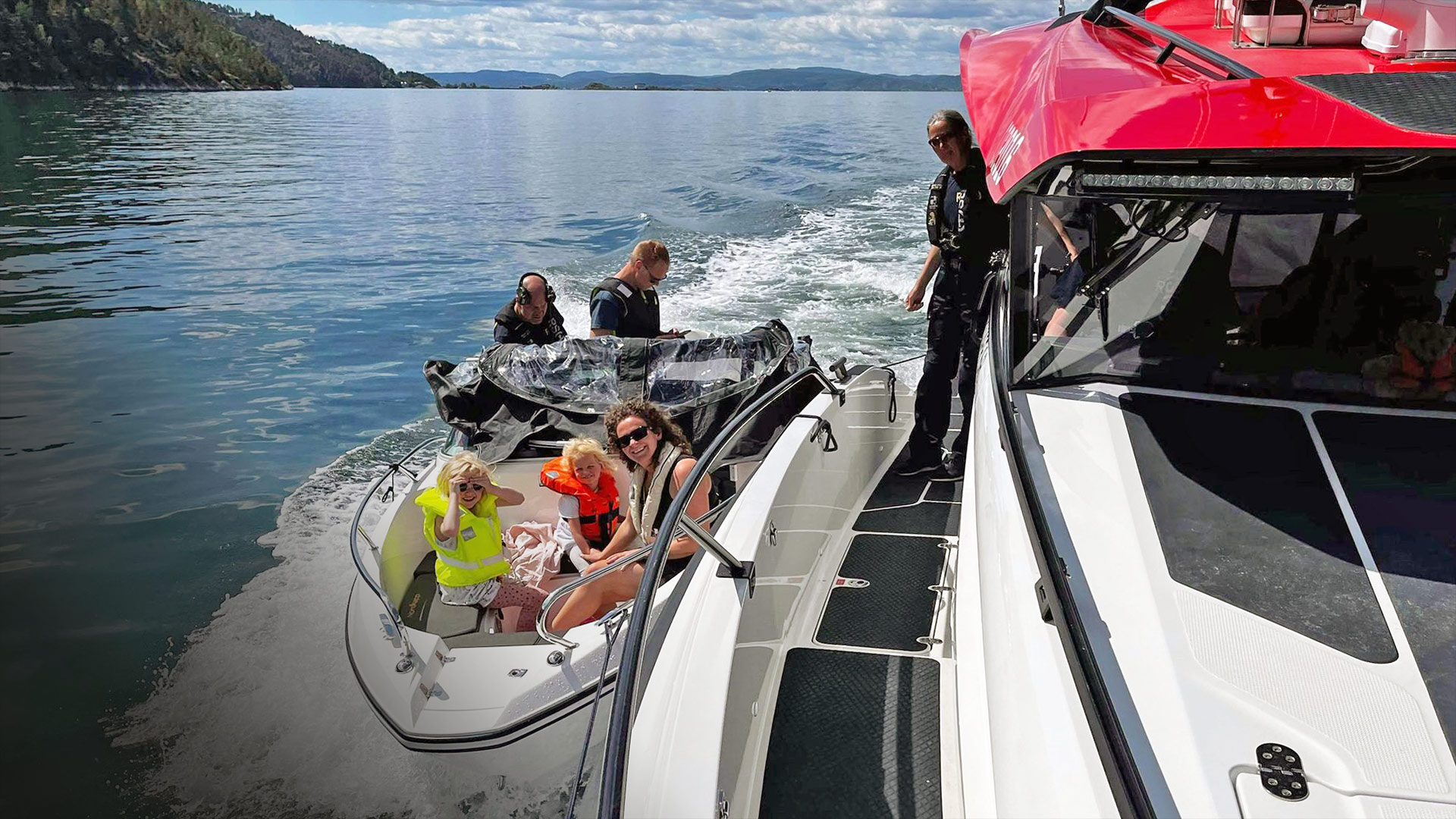
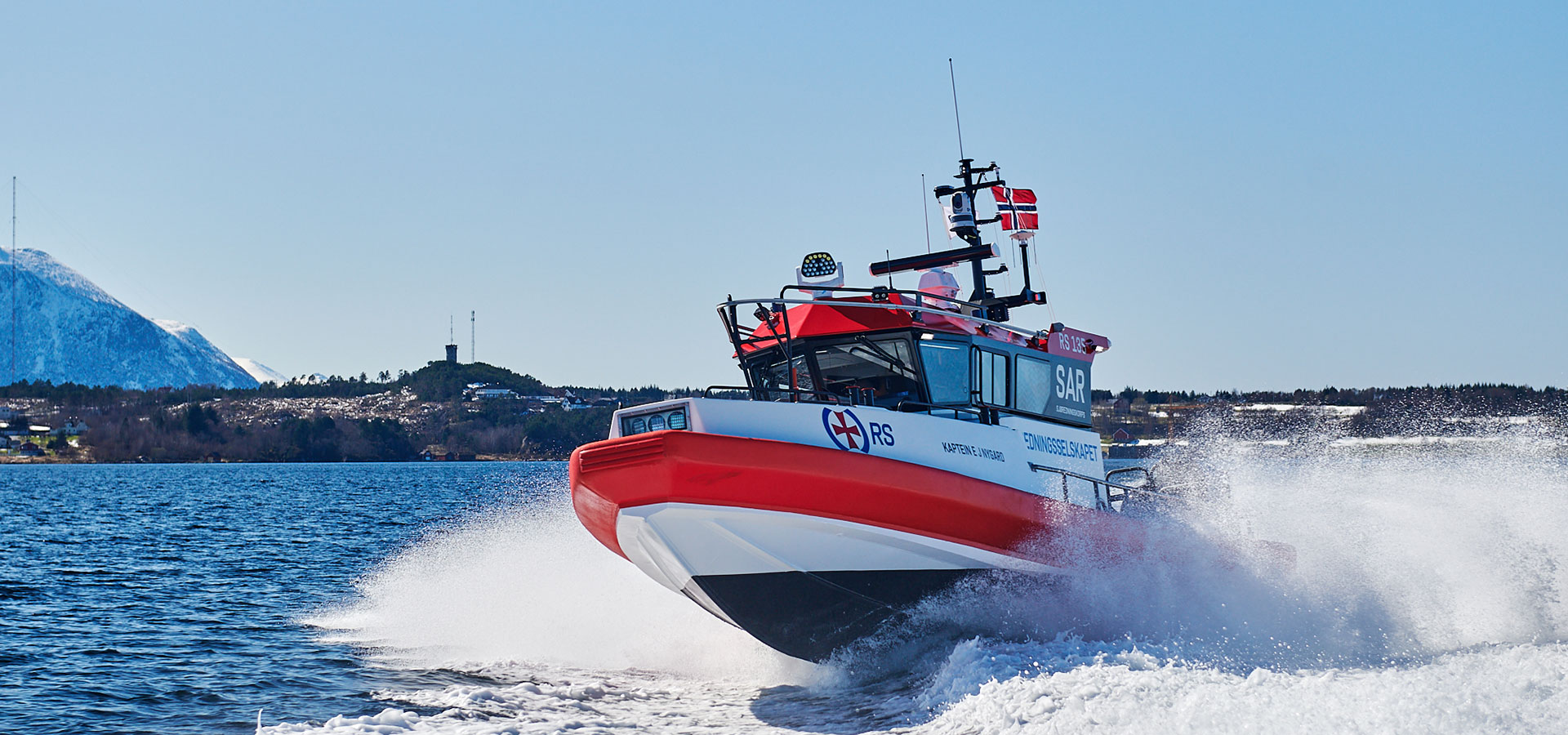
High-speed. Conditions are often still short of the critical point when our fast boats arrive to help. On many occasions, we can thereby register the incident as “assistance given” rather than “life saved” or “vessel rescued”. (Photo: Johan J. Petersen)

Norwegian Sea Rescue

We are a humanitarian, voluntary, membership-based organisation. Our object is four-fold: to save life, protect material assets, safeguard the coastal environment and pursue information work. In ensuring that our rescue boats are ready and able to continue saving life and material assets, we depend on membership fees, private gifts, contributions, support and donations.

We have the rescue boats
We have high-speed rescue boats all along the Norwegian coast and on Lakes Mjøsa and Femunden in eastern Norway. Twenty-five boats with permanent crews are in round-the-clock readiness, while 16 are operated by volunteers in the sea rescue corps – some year-round and others with a more seasonal commitment.

Our earlier fleet of slow-speed rescue boats has been replaced in recent years with fast craft. That allows us to be on the spot quickly to deal with a potential hazard and to prevent it from developing into an accident with personal injuries. This commitment has yielded good results, which show up clearly in our statistics.

Our rescue boats save lives
Our rescue boats are indispensible for maritime safety along the shores of Norway. During the last ten years they have saved 350 people from drowning at sea.

These craft are based at 57 stations around the whole Norwegian coast, and the need for emergency response and boat locations change over the year. We collaborate with the country’s two joint rescue coordination centres to ensure that these vessels are stationed in the right place at all times.

Our rescue boats save material assets
We were founded more than a century ago. Since then, our rescue boats have saved over 3 400 ships from becoming a total loss and have rendered assistance to well above 500 000 people.

More Norwegians than ever are using the country’s seas and shores for work and leisure. The number of times we have had to assist vessels in need has risen by almost 50 per cent over the past decade.


Our rescue boats protect the environment

Our vessels actively safeguard the coast by preventing the loss of ships with polluting bunkers or cargo on board.

Their contribution often involves stabilising a wrecked or disabled vessel and keeping it away from land until adequate towing capacity can be mobilised.

In recent years, we have seen a number of cases where our rescue boats have prevented the loss of ships carrying fairly large volumes of bunkers or other oil.

These incidents might otherwise have required extensive and very demanding clean-up work along some of Norway’s most vulnerable shores.


Helping to keep boating safe and pleasurable

Pleasure boat owners who are full members of our assistance programme enjoy a number of benefits, while helping to maintain maritime safety and emergency response along the Norwegian coast.

These advantages include:

  •        Assistance at sea and in open anchorages (Norway and Sweden)

- towage to the nearest port with opportunities for further assistance.
- help and diver assistance in the event of engine failure.

  •   Discount on boat insurance
  •   Assistance in ports with road access (Norway, Sweden and Denmark.)

- help with starting engines.
- bailing.
- emergency fuel supply.

Teaching the young to be sensible at sea
We devote extensive and important efforts to preventing accidents along the whole Norwegian coast. This work is directed particularly at youngsters. We communicate sensible behaviour at sea to many thousands of children and young people every year.

These activities include organising summer camps for youngsters aged 13-16 years, which includes taking the certificate of boatmanship.

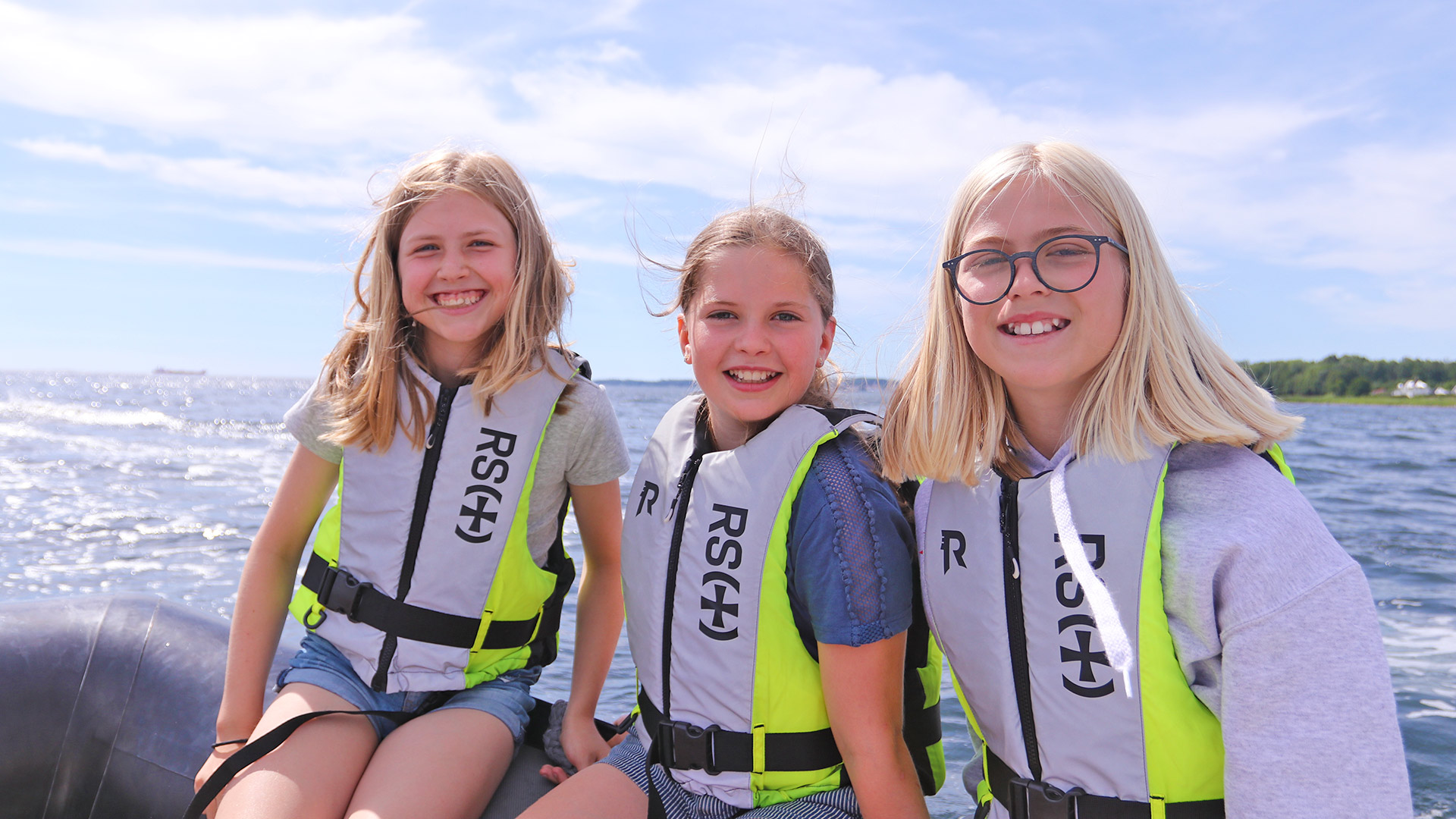
We run schools to teach boat sense to nine- to 12-year-olds, with the aim of promoting appropriate attitudes and creating a sense of community. Youngsters spend a full week experiencing and learning to master life at sea and on boats.

Every year, we organise sensible boating days nationwide for primary/secondary school pupils in collaboration with the Norwegian Maritime Directorate. These events educate several thousand children in behaving sensibly at sea, practical seamanship and environmental protection.

Norwegian Central Boat Register – increased security for owners
We have been running this voluntary registry since 2005. It contains information on pleasure boats, motors and ownership.

The register is used to identify boats and their owners when investigating thefts, collisions, damage and so forth, and in tracing the owners of missing or wrecked vessels.

In addition, it simplifies the identification of the legal owner/seller when a boat changes hands.

Anyone buying a boat could find that it pays to check on the registry’s website (in Norwegian only) whether the vessel concerned has been reported stolen.


Elias teaches sea sense to the youngest

Our Elias Club is aimed at the very smallest children, and seeks to give them a positive and secure relationship with being in, by and on the water.

Our ambition is that the club’s website will be the leading communicator of sensible behaviour at sea to the youngest Norwegians, on their own terms.

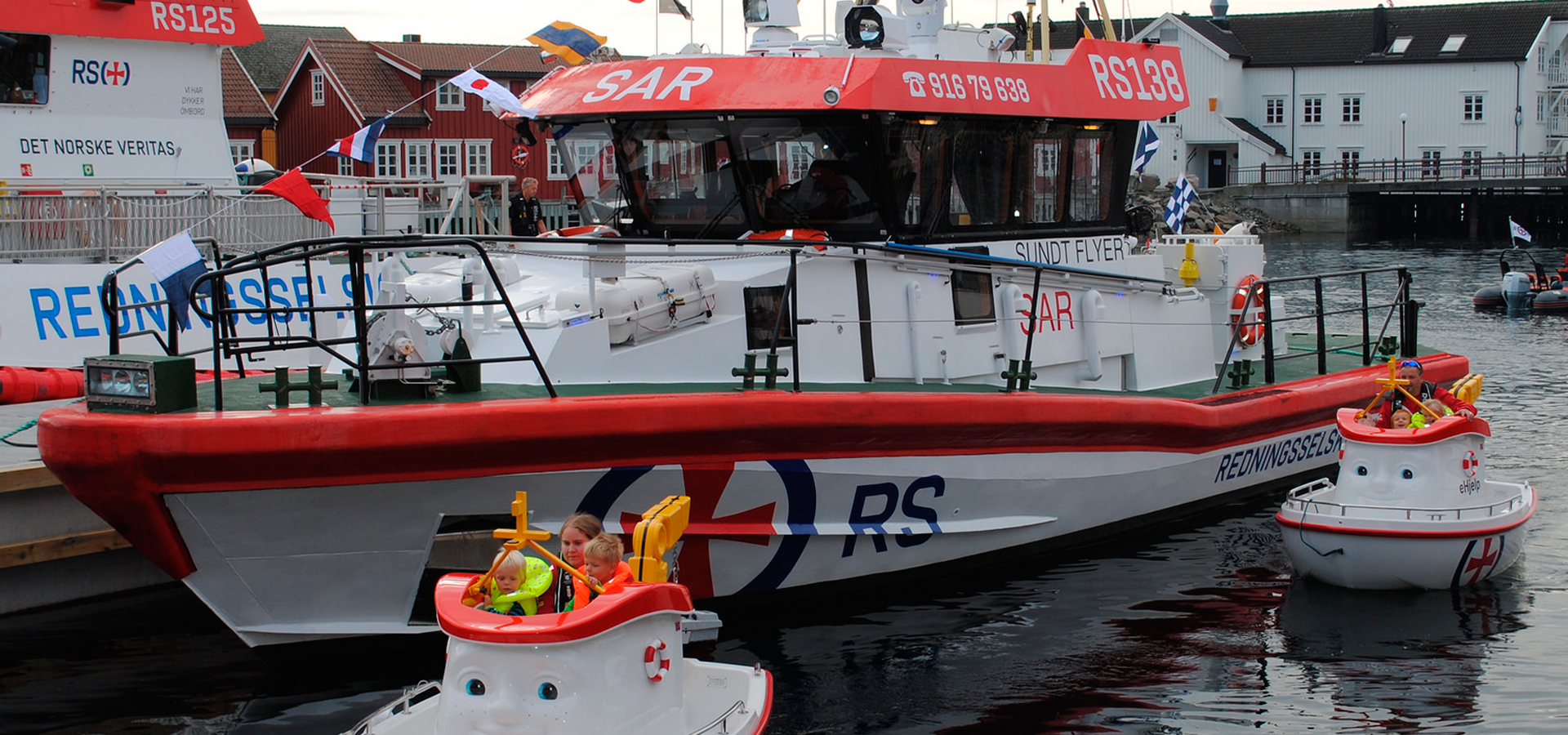
We participate every year with our Elias boats in many events along the whole coast. This gives several thousands of small children the pleasure of operating a genuine Elias boat. They also learn the 10 Elias rules on the environment, nature and sea sense, and how to use a lifejacket properly.


Courses and training

We place great emphasis on offering courses and training to high professional and educational standards.

Our boatmanship courses are aimed particularly at young people and women, and we have developed teaching forms and content suited for these target groups.

Examples include a young persons’ camp with certificate of boatmanship, the “Take the rudder, woman” programme for females, and weekend and company courses.

Boatmanship training is also offered on the web.

We have our own sea rescue education centre, where our crews hone their skills in driving fast boats and qualify through training and exercises on safety, first aid and sea rescue.

Head office

P O Box 500, NO-1323 Høvik
Visiting address: Veritasveien 14, Høvik
Tel: +47 67 57 29 00 - Fax: +47 67 57 77 50
E-mail: post@nssr.no
www.redningsselskapet.no


Sea Rescue Education Centre
P O Box 19, NO-3291 Stavern
Visiting address: Kadettbrakka, Fredriksvern Festningsverk, Stavern
Mobile phone: +47 90 84 95 08
E-mail: jarl.berge.larsen@nssr.no
www.redningsselskapet.no/sjøredningsskolen


Norwegian Central Boat Register
P O Box 1213 Sluppen, NO-7462 Trondheim
Visiting address: Vestre Kanalkai 19, Trondheim
Tel: +47 81 54 40 55 - Fax: +47 73 54 63 91
E-mail: sbr@nssr.no
www.redningsselskapet.no/sbr

These advantages include:

·         Assistance at sea and in open anchorages (Norway and Sweden)

- towage to the nearest port with opportunities for further assistance.
- help and diver assistance in the event of engine failure.

·         Discount on boat insurance

·         Assistance in ports with road access (Norway, Sweden and Denmark.)

- help with starting engines.
- bailing.
- emergency fuel supply.